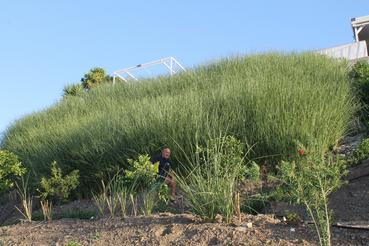
Erosion control & slope stabilisation
Planted in contour hedges, vetiver forms a living barrier that slows runoff, traps sediment and holds slopes together — even during torrential rain. Roots reaching up to 5 metres act like natural rebar.

Vetiver (*Chrysopogon zizanioides*) is best known for erosion control, but its deep root system, tolerance and non-invasive nature make it a workhorse across agriculture, water management, infrastructure and climate work. Below is an overview of the applications we see most often across Spain and the wider EU.
Planted in contour hedges, vetiver forms a living barrier that slows runoff, traps sediment and holds slopes together — even during torrential rain. Roots reaching up to 5 metres act like natural rebar.
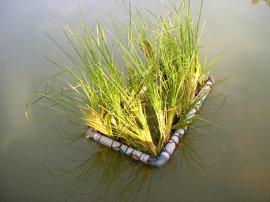
Vetiver absorbs nitrogen, phosphates and heavy metals. It is used to treat effluent from olive mills, wineries, livestock farms and small waste-water systems, and to clean up polluted ponds and streams.
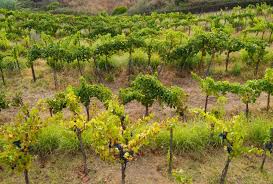
Rows of vetiver between vines and olives keep the topsoil in place on sloped plots, reduce the need for herbicides, improve infiltration and slowly build organic matter — a fit with organic and regenerative farming.
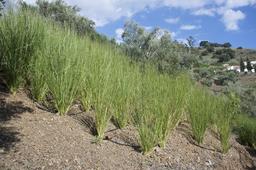
Dense, upright clumps up to 2 metres tall shelter crops, protect young plantings and mark boundaries without becoming invasive or dropping woody debris.
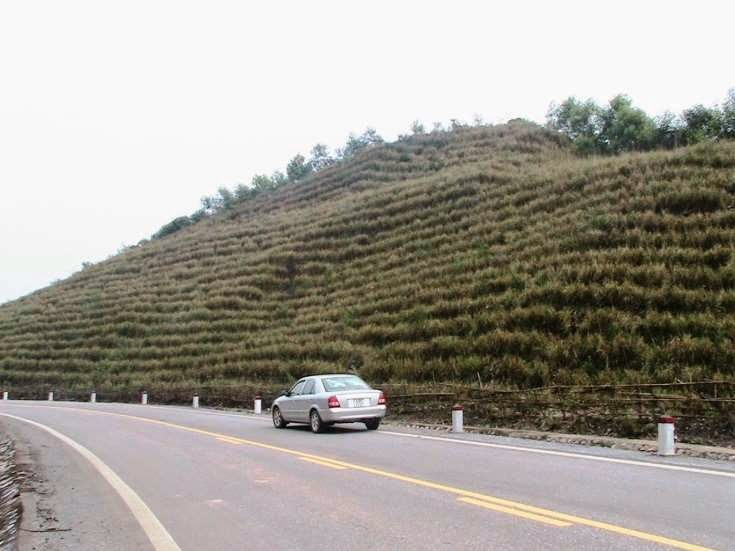
Roads, railway embankments, pipelines, canals and construction sites use vetiver to stabilise cuts and fills and prevent expensive landslides — often at a fraction of the cost of concrete works.
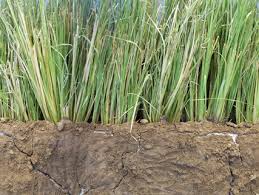
Because so much of the plant is underground, vetiver stores carbon deep in the soil profile and keeps storing it as clumps thicken year after year.
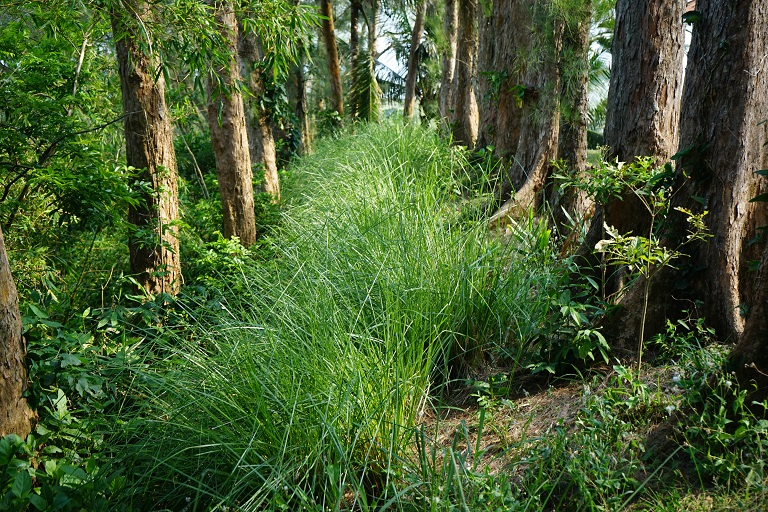
Vetiver hedges provide shelter for beneficial insects, small reptiles and birds, and create micro-climates where more sensitive native plants can re-establish.
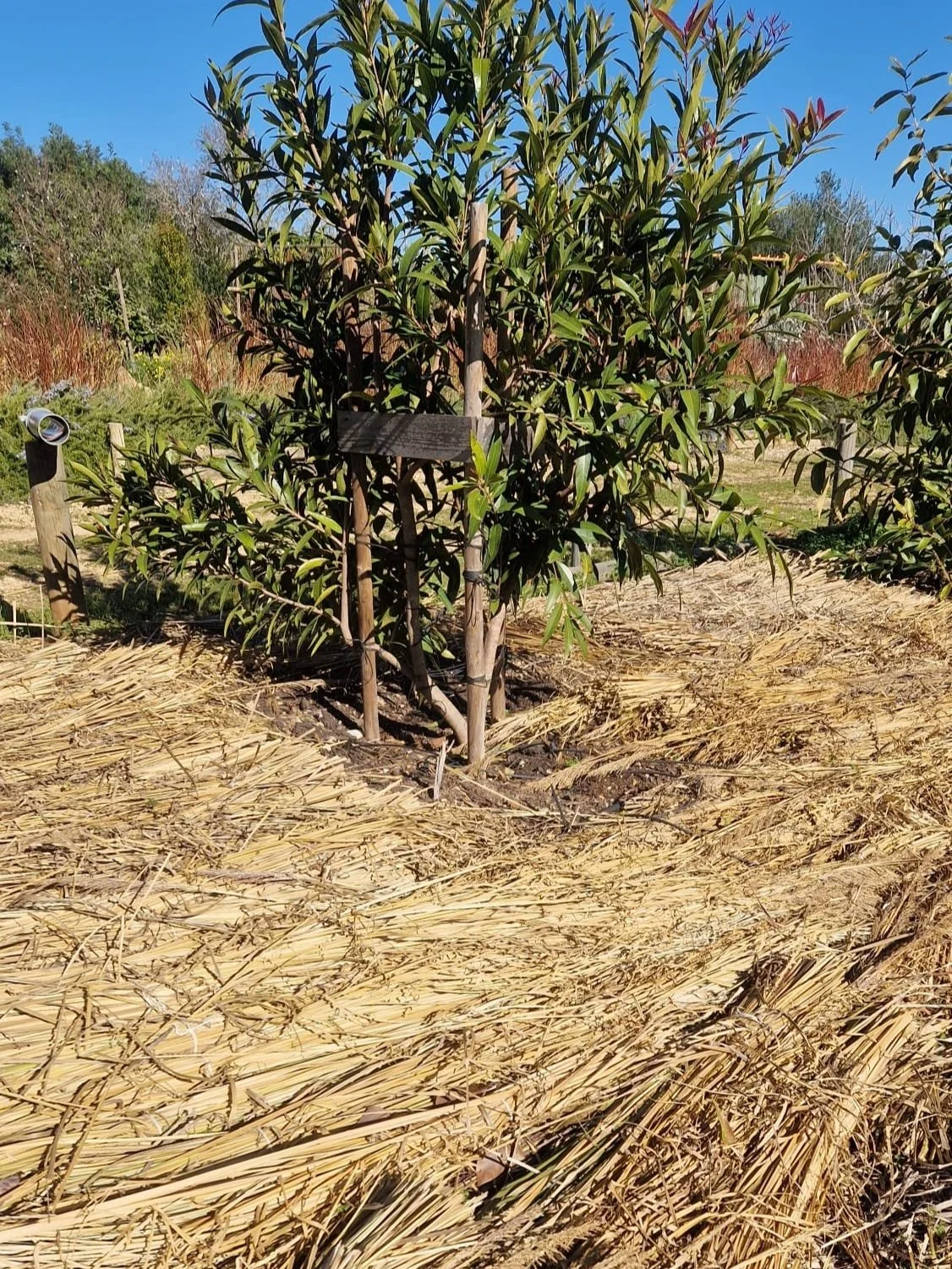
Leaves cut once or twice a year are excellent mulch that suppresses weeds, retains moisture and breaks down into rich compost — closing the loop on the plot itself.
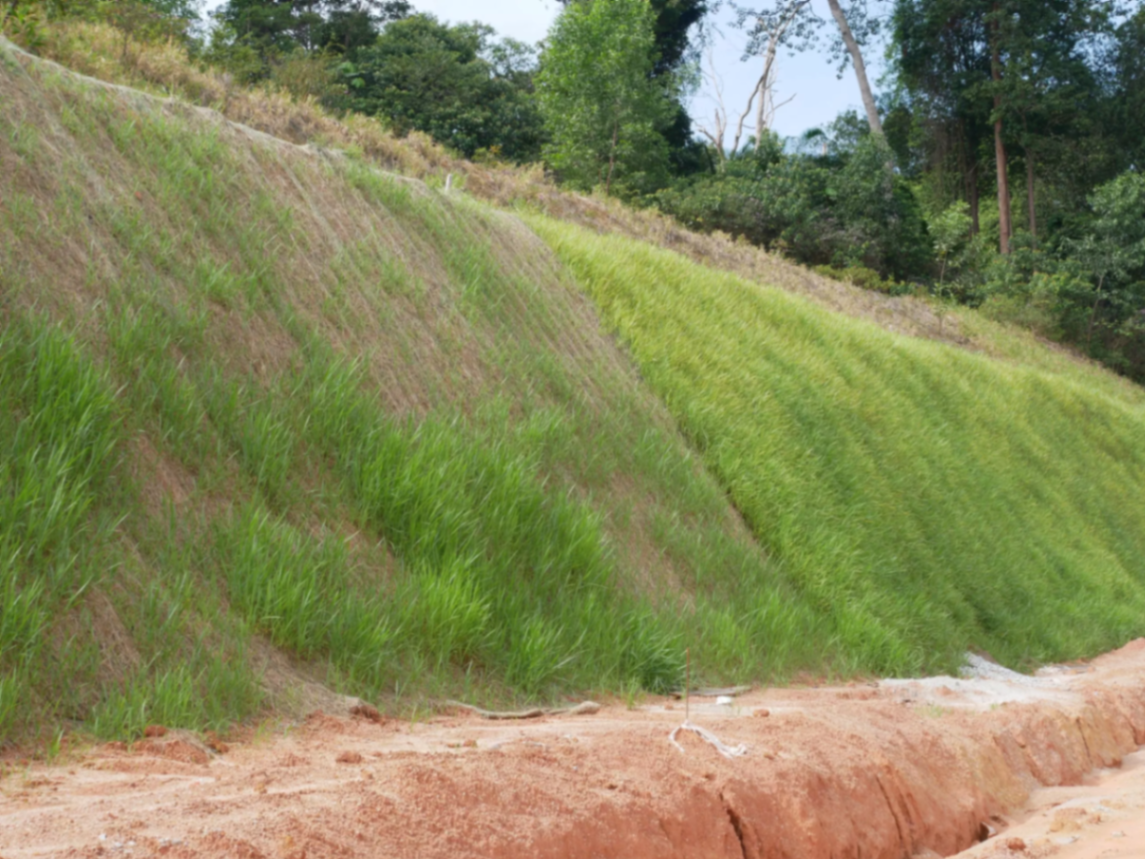
Vetiver establishes on degraded, compacted and burnt soils where little else survives, giving the ground time to recover before other species return.
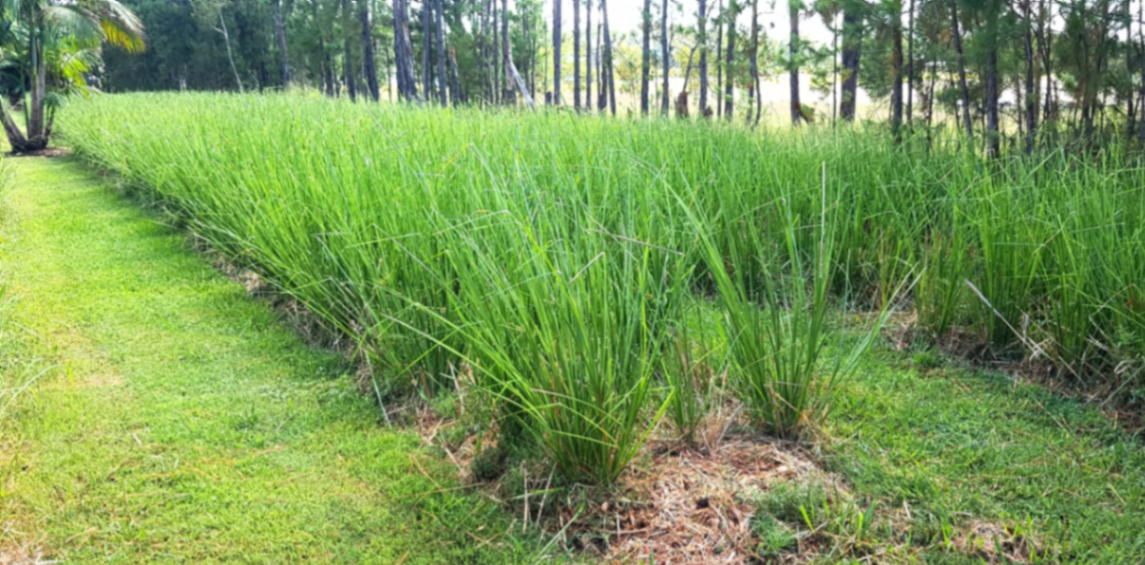
Architects and landscape designers use vetiver as an ornamental, low-maintenance screen or accent that thrives in hot, dry Mediterranean gardens.
Tell us about your slope, plot or site and we will send tailored advice on layout, spacing and quantities.