
About Vetiver
What is Vetiver?
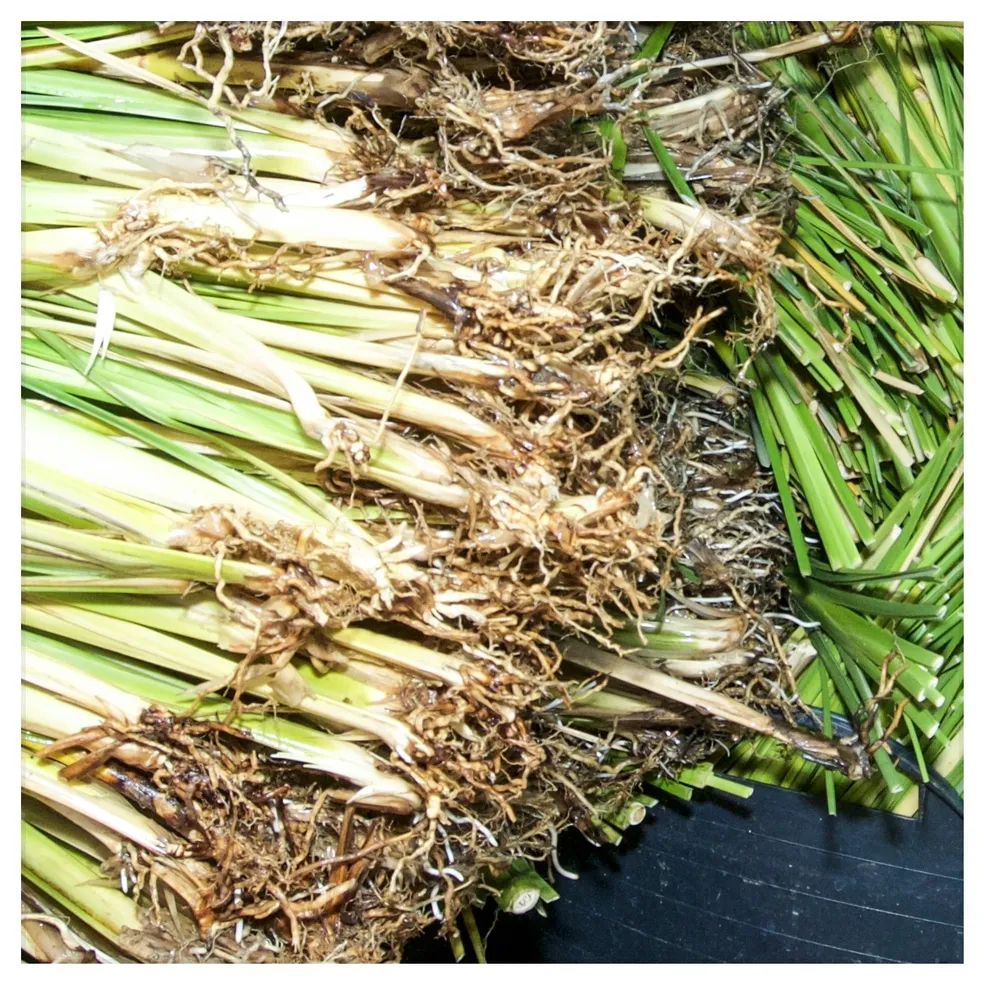
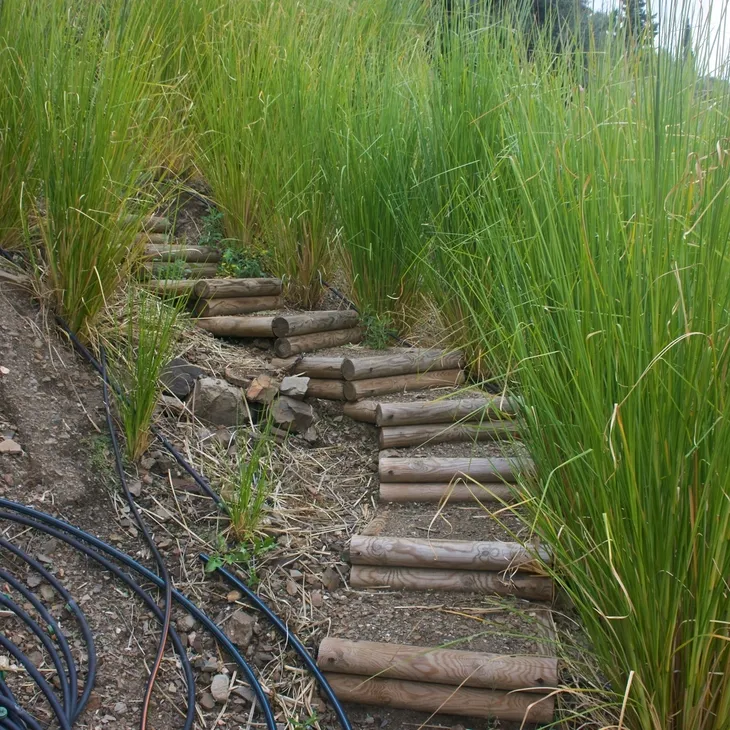
Vetiver (Chrysopogon zizanioides) is a perennial grass native to India, widely used for erosion control, soil stabilization, and ecological restoration. Its deep, dense root system — reaching up to 5 meters — makes it one of the most effective natural solutions for protecting slopes, riverbanks, and agricultural land.
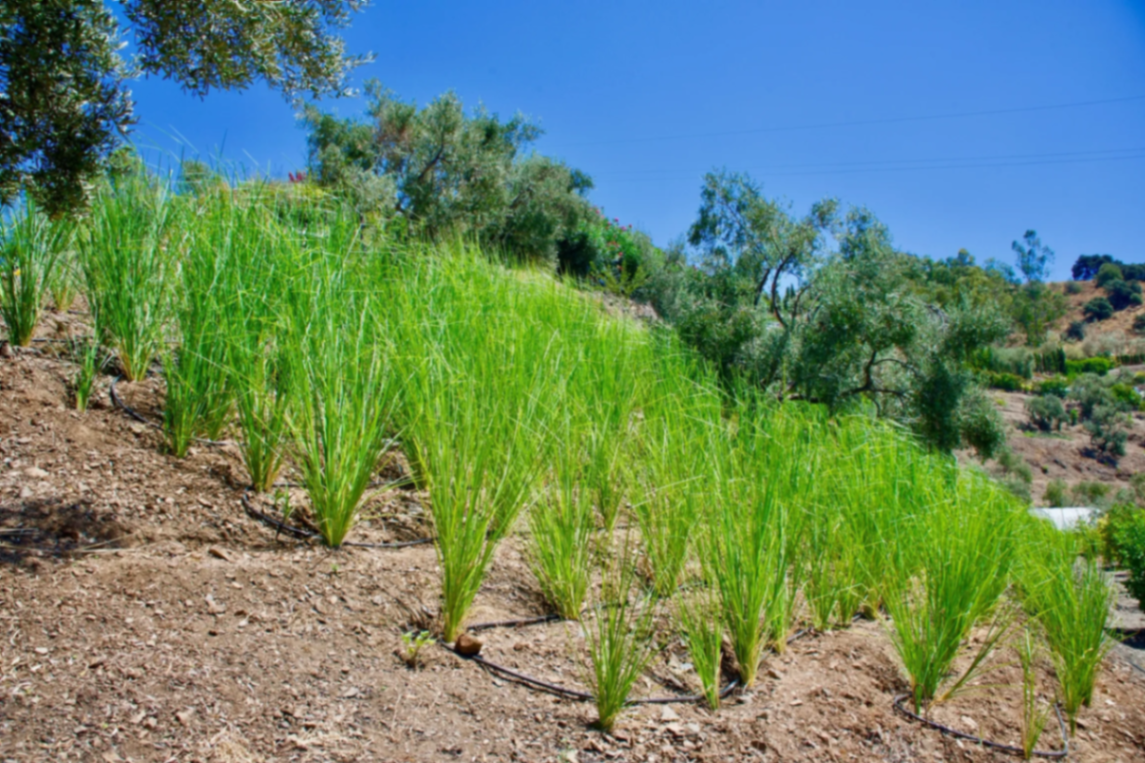
Why Choose Vetiver?
- Natural and chemical-free erosion control
- Drought-resistant and low maintenance
- Improves soil structure and water retention
- Supports biodiversity and ecological balance
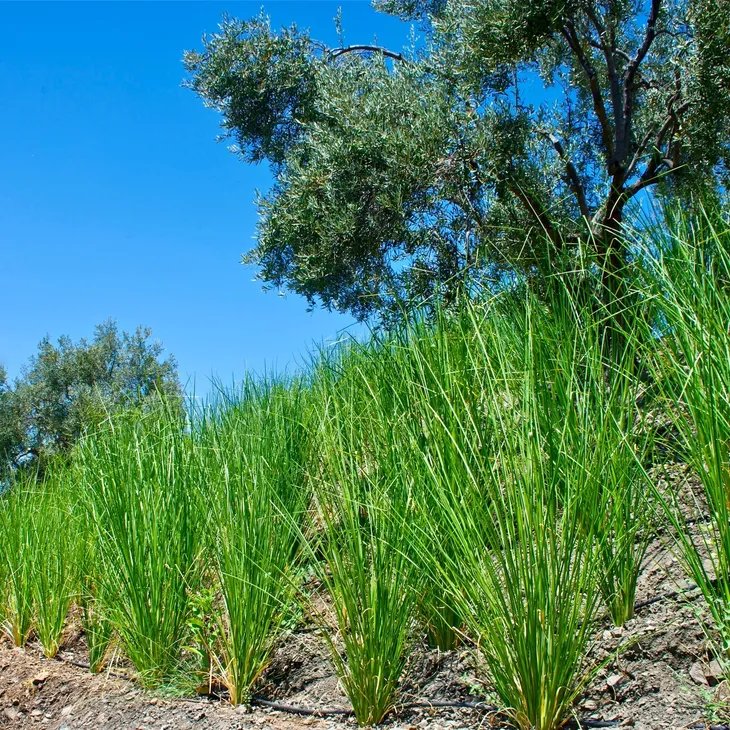
Whether you are restoring a hillside, protecting a riverbank, or greening a construction site, vetiver is a proven, eco-friendly solution.
Planting Information
Vetiver is easy to establish when planted correctly. Follow these guidelines for best results:
- Best planting season: Spring or early autumn, depending on your location
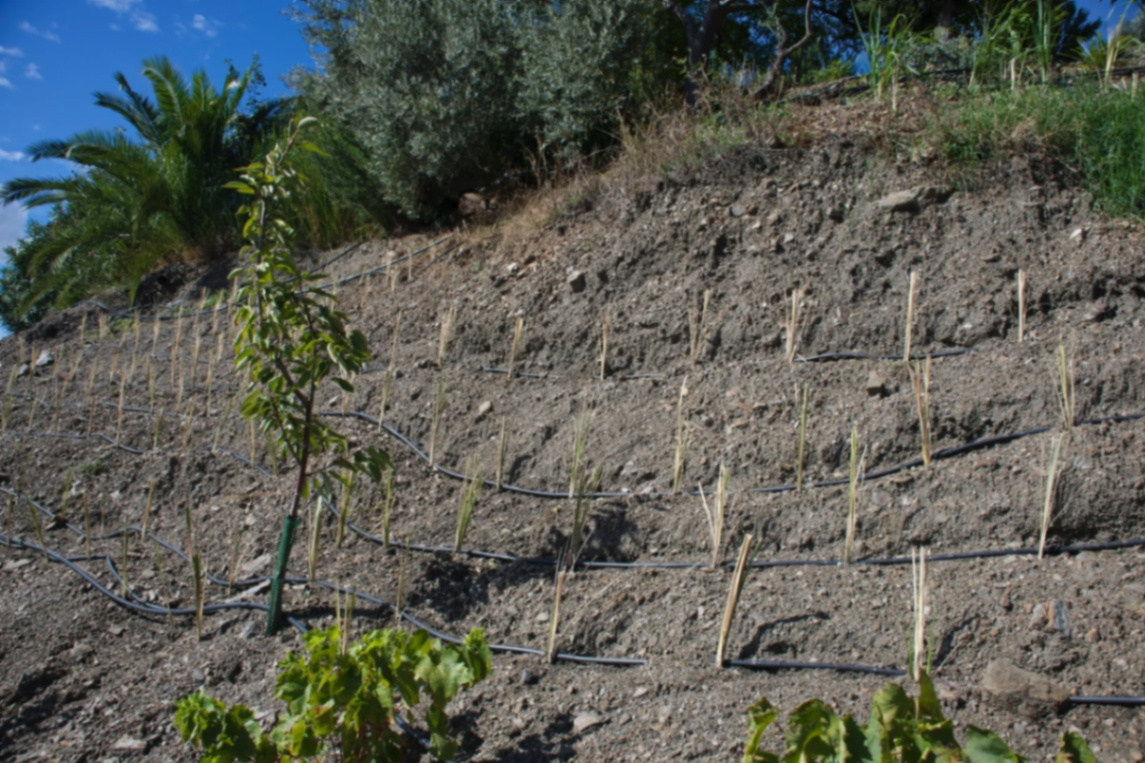
- Spacing: Plant bundles 20–30 cm apart in rows along contour lines
- Soil: Adapts to most soil types — sandy, clay, or loam
- Water: Water regularly for the first 6–8 weeks; drought-tolerant once established
- Maintenance: Cut back to 20–30 cm height once or twice a year
Need help planning your project? Contact us and we will be happy to advise you.
Can I plant Vetiver here?
Answer a few questions and get an instant suitability & irrigation advice for your site.
Patience & timing: planting outside the ideal season
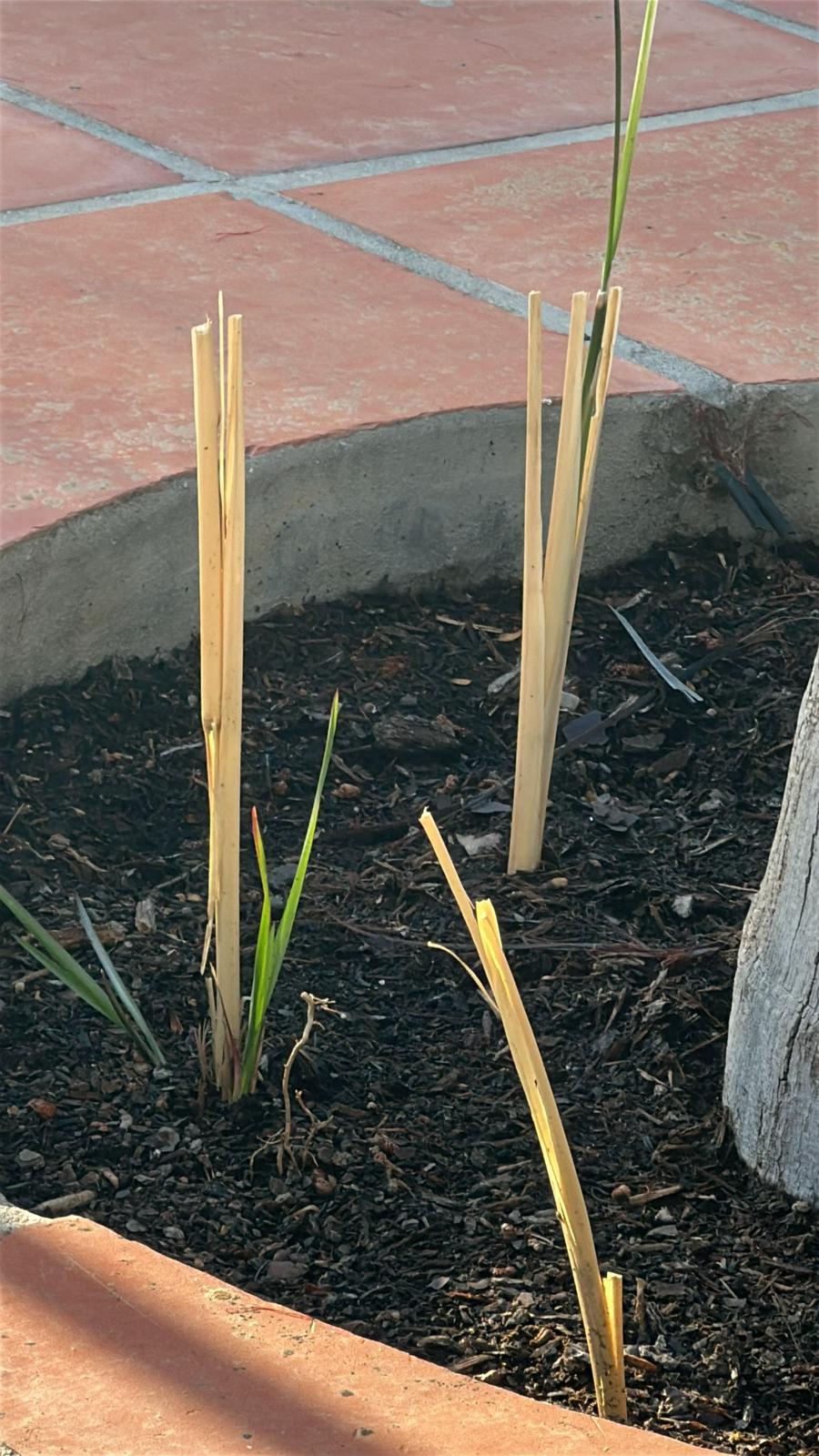
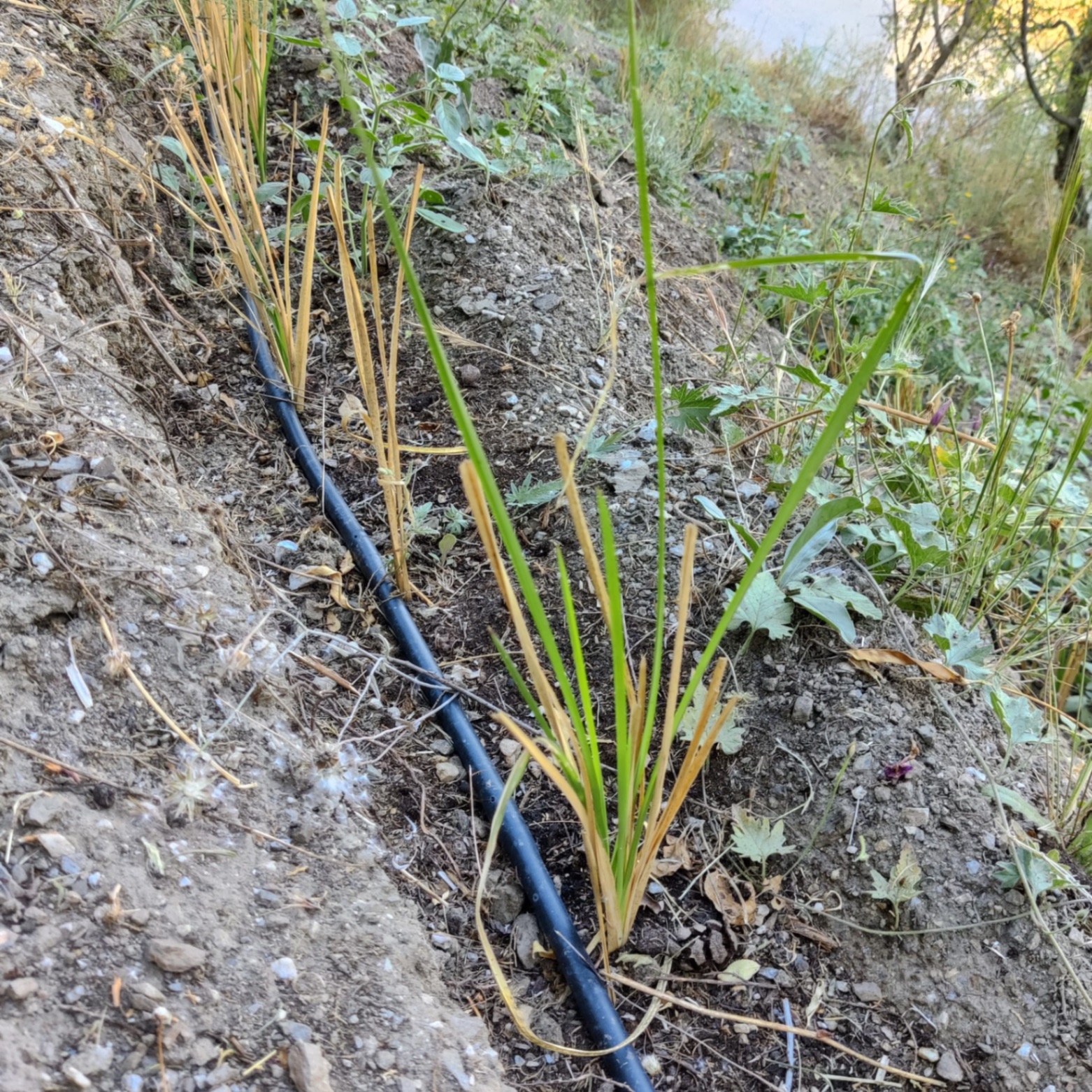
The best planting window in Southern Europe is spring and autumn, but vetiver can be planted year-round. Outside the ideal season it simply takes longer before you see the green blades come through.
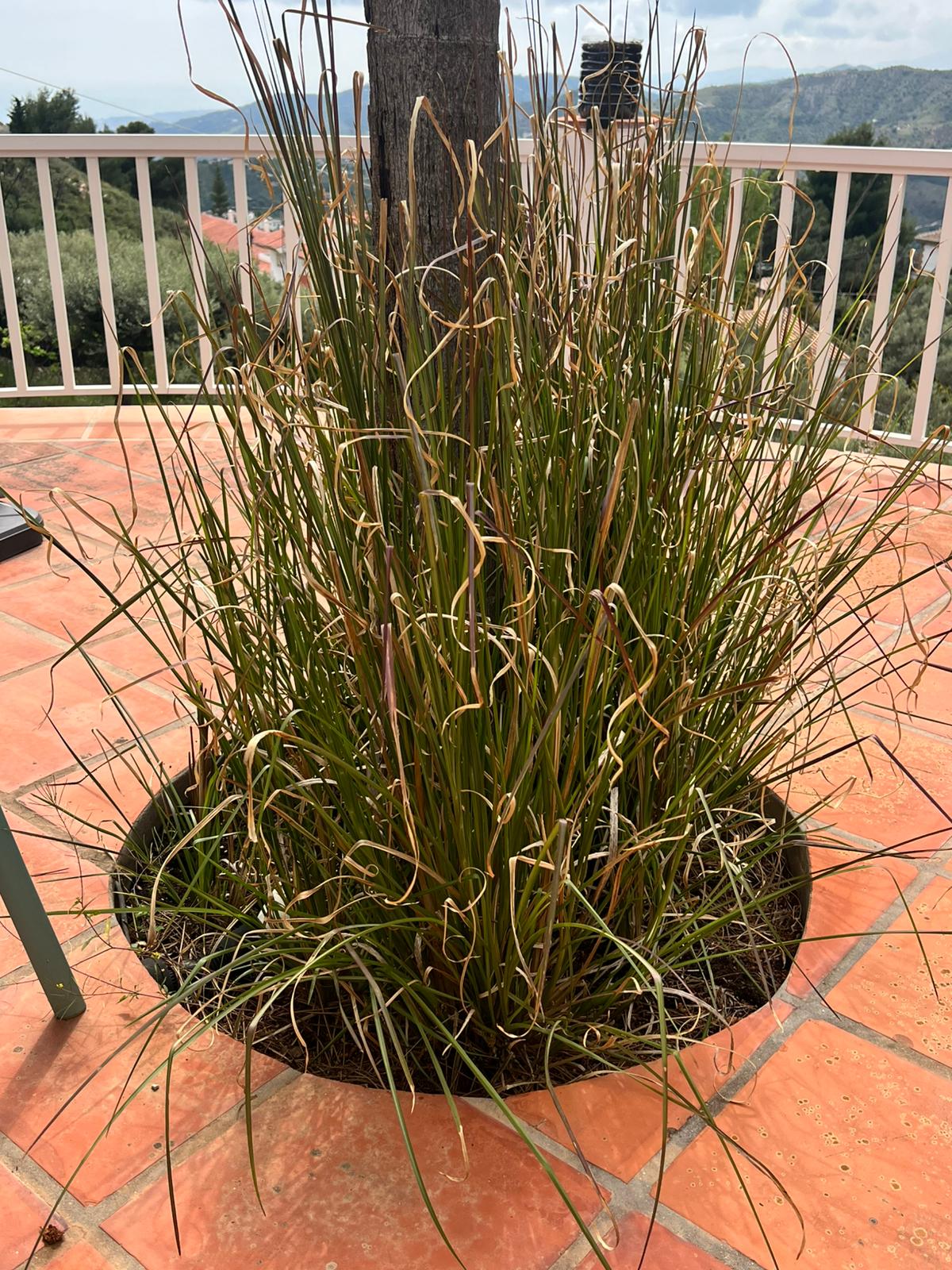
Vetiver almost never dies as long as it receives water while it is establishing. The leaves often turn yellow first and people sometimes think the plant is dead — but if you gently tug on it, you will feel that it is firmly rooted. Then it's a matter of patience: as soon as the sun returns, fresh green stems appear.
We get this question often from customers, and in about 95% of cases we receive photos a few months later showing the vetiver back in full bloom.
The power of Vetiver
Dr. Paul Truong is one of the world's leading authorities on the Vetiver System. Below you can download a concise summary of his research on how vetiver protects soil, water and infrastructure — available in English, Spanish and Dutch.
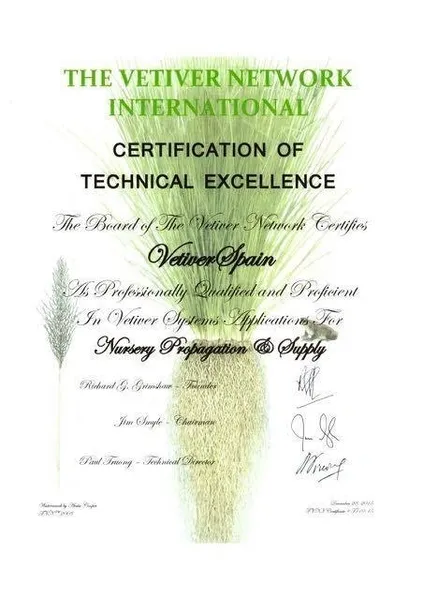
Certificate of Technical Excellence
The Vetiver Network International — Certificate of Technical Excellence